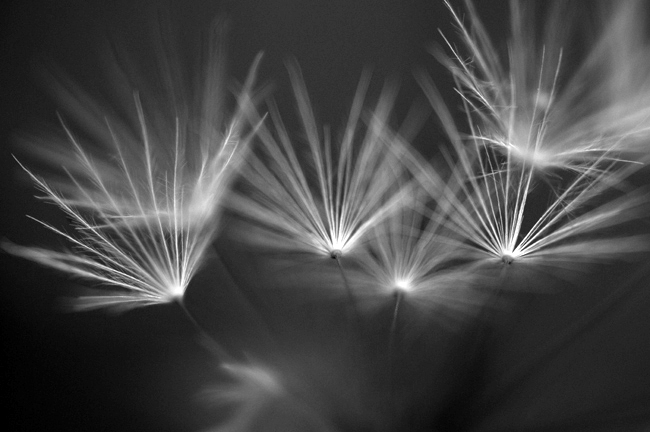
Dandelions Close-up

Dandelions Close-up
Dandelions In Black And White

Saturday, February 22, 2014

February 22, 2014


Years ago we traveled along the West Coast of the United States in a motorhome. We did travel east a bit as we planned interesting subjects I wanted to shoot and subjects my photo agencies wanted me to shoot as well.  We would usually stay a minimum of a week in each place, but sometimes depending upon weather and subjects we could stay much longer. As a photographer, this allowed me time to absorb the terrain of the city and countryside and find those unusual subjects that are both personal and fun to photograph.
One of the places we visited was Palm Springs. One day, I was scouting areas east of Palm Springs and ended up on Dillon road. The road started out normal but as you traveled along you would come to these up and down hills along the highway and if you pushed the speed up a bit your stomach would begin to float as if you were rising up on a small plane. You really couldn't go too fast because as you came to the top of one the hills you never knew if a car was down in the dip.  Immediately I knew my daughter, who was around two years old at the time, would love this road.  So I went and got the family and we went on a roller coaster ride in the deserts of Palm Springs.


Another fun spot was the dinosaur park off Interstate 10, northwest of Palm Springs. 

Monday, February 17, 2014


February 16, 2013


Human identity is changing rapidly in this no holds barred social media frenzy of content and more content.  We are losing touch with the sacredness of the ordinary life our ancestors revealed through hard work and human sentiment.  

By being quick to judge, interpret, and take photographs, we are limiting our ability to learn and understand a photographers purpose in creating an internal image and our connection to that purpose.

Expressing emotions is both physical and verbal.  When we see a person crying we react and think, oh, what has happened.  This physical representation is just a moment in time and we assume certain things have happened to this person and that is why the tears.  But what is really going on down underneath this persons physical presence? When that same person begins to laugh, we think those tears were not tears of pain but tears of happiness. We missed a moment before the tear event that would have given us this clue.

In still photography the image is yanked out of its time sequence and we the viewer can become disoriented wondering what the meaning  of the photograph we are looking at is.

We need to relate more personally to the image in order to see the clues the photographer is giving us.  What symbols is the image creator using to connect the photograph with the viewer on a more intimate level.

When you look at an image, do you ever truly see the photographers real motives, his emotions, the why an image was taken in the first place?  With scenic images, we know that the photographer saw a beautiful setting and decided to take a picture of it.  But why did the photographer choose a certain composition over another?  Why did this particular scenic image succeed and that other one fail?

When a photograph grabs us emotionally, we become attached somehow to the image creators impression of a scene.  The image holds our interest and we can sit and contemplate the information given.  But we still don't know all that is going on in that photograph.  We start by exploring the surface meaning of the photograph (color, perspective, composition etc..). This is not a fast paced sprint but a meandering over the two dimensional surface of the image, studying the subject looking for details that at first we were missing.

If the photographer connects with us on a deeper level through his photograph, then we are able to get a better gestalt of the images purpose and find a meaning for ourselves that might not be exactly what the image creator expressed, but allowed us to connect to the image on a deeper, more personal level. 

This inner world under the surface of things is what I believe makes a great photo come alive.  It is hard to dig deeper into a scene pulling out details that represent an inner expression, if it was shot casually.  Casual photographs are okay, they give us a moment in time, a fashion statement easily forgotten.  But what we are looking for, hungry for, is a true depth that creates a conversation between the creator of the image and its viewer ie: can you see me truly, see my image as a reflection of my inner world and perhaps represent a part of you as well.

I think that photographers that wrestle with this inner expression and outer detail are battling the good fight for better images and an evolving in themselves to make better more personal images with a broader appeal.

Composition/Technique alone can not bring life into a subject that has no relationship with the photographer creating the image.  Without a relationship of some kind with the scene you only have a shallow two dimensional record of a reality that is just surface reflections only, without depth and the ability to connect with your viewer.

Technique can only go so far in allowing us to express ourselves photographically.  Composition is important but so are the details that become symbols of our inner fears, doubts, happiness. etc...that the photographer can add to his scene that make or break the image.


Sunday, February 16, 2014

February 16, 2014

A few years ago we had a family of moles  digging in our back yard.  Each morning new mounds would rise.  These moles were in worm heaven and were very content crisscrossing my yard with their tunnel waste making traps for unsuspecting worms that fell into the narrow passages.  Just for a humorous image I stuck an American flag at the top of one such mole hill.  I was surrendering my territory to them and giving up the battle.


Monday, February 10, 2014

February 10, 2014


Bill Brandt, photographer, wrote: "Composition is very important, but I believe it is largely a matter of instinct. There are text-book rules on the subject, but they are likely only to result in stereotyped pictures.  They hamper any one's native imagination".

There are no easy formulas that guarantee the creation of good imagery.  Experimentation gives you choices.  Do I like that result or not?  If not, why not?  What draws you to certain subjects and not others?  Am I getting myself in a rut shooting the same subjects over and over again?  All these questions help you determine your creative direction and pushes you to break out of your limited shooting environment.

When you first come upon a subject that hits you with interest, stop, slow down and take in the entire scene.  Don't wander off helter-skelter,  shooting everything just so you might hit on an acceptable image. Take your time, take a deep breath and explore the subject that attracted you.  Go below the surface reality that is present, don't succumb to its calling. Find your inner patience to allow the subject to reveal itself on a deeper level.

Use your intuition as you begin to explore and exhaust those first moments of inner excitement.  Once your mind begins to slow down and is calm, that is the time to really study your subject and begin looking for those angles and perspectives that will lead you to a deeper, more personal exposure rather than those run and gun images that have become standard operating procedure on social media.

When I come upon a subject that interests me, I usually begin with an environmental image first.  This calms my mind and gives me a visual layout of the landscape.  I always feel better once I have begun the exploration process and have taken that first image,  it becomes a "good to go" moment for me.  I then begin to zero in on my true subject as my intuition rises above the outer chatter.  I move closer and closer to the subject I wanted to shoot (both literally and figuratively) and begin to connect with what drew me to this subject in the first place.  I can reverse this as well. I can get closer to the initial perception and then feeling something isn't working, move back and explore the subject from further away.  Maybe the subject needed a bigger environment to contrast with.

Photography gives you a license to experiment and enjoy the full process from initial interest in a subject to your final exposure that captures your inner sight.


Saturday, January 25, 2014

January 25, 2014

Fear can motivate or cripple you.  What we fear most of the time is criticism of ourselves. Giving something freely to the external world and then having that something made fun of or destroyed by analysis is detrimental to growth and craftsmanship.  We must, in order to succeed in any field of study we love, look at ourselves and our feelings toward the world.  Through this examination we find out which feelings have been conditioned in us through the years.  Which thoughts and ideas now control us and make us fearful to expand our lives, our horizons and move past what others think we should be and what they think we should do.

Seamus Heaney wrote concerning how he found his poetic voice, "I was in love with words themselves, but had no sense of a poem as a whole structure and no experience of how the successful achievement of a poem could be a stepping-stone in your life."  Heaney goes on to say, "that his first poems were trial pieces, little inept designs in imitation of the masters fluent interlacing patterns, heavy handed clues to the whole craft."

When you first start in photography we learn through experimentation.  We see great photos and we try and imitate them because we want to know how those images were made. Through this process of trial and error we forge past our own stunted growth and other people's preconceptions of our work. We must keep learning and evolving in our chosen field of photography and not allow others to dictate to us how and what we should photograph.

Technique is the math that creates formulas you can trust and explore without feeling desperate.  It gives you confidence that you are in control and not allowing your subject to hide and escape your grasp. 


We learn our craft initially by doing it. We should always be looking for subjects that appeals to some deeper level and brings out an emotional response in us.  We imitate the imagery we see.  If we only see our friends face book snap shots, more likely than not, we will produce subjects in a similar vein and we won't stir the waters, the undercurrents of our inner life that is waiting to be explored.

By shooting as much as possible, you sharpen your photographic eye for those moments that just seem to manifest themselves within seconds before your camera. Your reflexes are tuned in and ready for anything.  Your camera controls are known and your exposure appropriate for the light. This helps you make those quick decisions on timing your exposure to create special imagery. Sports photographers have this deep instinctive ability to be in the right place at the right time along the sidelines.  War photographers have the ability to discover in chaos those moments that surge through the violence that seem to tell the whole story in a single moment. What gives them the edge is doing it. 

Intuition is fined tuned by action.  Getting out there each day and seeing the world with fresh eyes. Creating images with purpose and meaning. 

When we study the history of photography, we find early masters of the craft struggling to find an art form worthy of expression.  Battle lines were drawn between photographers that believed in the pure image without any manipulation whatsoever and the so called artificial images that were created using other techniques that were more appropriate in drawing or painting.  Nowadays, we have a battle between the over saturated image (social media) market place exposing to the world people's mundane outer lives vs the photographers that want to step back from this explosion of imagery and reconnect with the reason they got into photography in the first place; taking meaningful images that can affect the viewer on a deeper level than the evening police blotter.  It seems in today's media frenzy just being seen is the final truth that makes are lives meaningful.

We are missing the mystery of the underlying reality in which our memories and experiences combine to create the ground work for expressing deep feelings through composition, subject, perspective, etc..


Tuesday, January 14, 2014

December 24, 2013

How do we discover the world outside of ourselves?   How do we make this outer reality known to us and have a reasonable assurance that others share the same outer world we think is there? The environment we are raised in dictates alot of our inner behavior toward this shared reality we inhabit. We are bottle fed patterns of behavior;  a smile is pleasant,  a raised voice scares us and hooks us to a bad feeling,  we learn to hold our parents hand for safety.  We accept this physical world as fact not fiction.  As we gain more knowledge and experience, we begin to shift our perceptions more inward and toward our reactions to things outside of ourselves.

These inner reactions relate to an outside force that is stagnating our creativity.  We begin the long journey of self discovery and how we can imprint on the outside world our perceptions, our feelings and how this can change others behavior toward us,  ultimately how we can connect with others through our own experiences manifested through art..

Through time, we become quick to size up situations and we gain intuition to skip alot of once necessary clues in order to make judgements, which could mean the difference between life and death or just a bruised heart.

In everyday life, this can be a good thing, but I don't think it is necessarily good when you are creating imagery with meaning.  The mechanical aspects of photography are getting easier by the day, but the the intent in your subject selection and your final image is still complicated, frustrating, and necessary.  We must think before we press the shutter.

What drives you to photograph?  If you allow your negative patterns (conditioned responses to outer stimulus) to inhibit your ability to react, if you internalize this negativity, you could look at a scene and think it could be better and then move on. What you have accomplished is to ignore the present subject and miss an opportunity to make something from it.  Obviously, their are times you just don't feel it and have lost interest and are tired of the struggle to create, but other times by pushing yourself just alittle more, trusting your intuition, you can discover a deeper  reaction to your subject that was really there, but remained hidden until you pushed through your own inner barriers.

We have all felt the evil eye of negative comments about us, our appearance, our friends we keep, choices we make. The same is true when you show someone an image you created.  This image says something about you whether you realize it or not.  A negative comment can sting and create future barriers to your creative will.  You must fight through the negative and grow from each personal image you take and begin to understand why you have become attracted to certain subject matter and not others.  By exploring your inner world, you will find that once you overcome your trepidation to exhibit your work you can get to a better place of confidence.  With positive feedback from trusted voices, we grow in our ability to act and not over think each programed feeling toward the outer world. We have all taken a picture of something that we felt was a great subject and had great meaning to us as we viewed it through the view finder.  But, when we see the final image, we look at it again and wonder, "what was I thinking?".  The subject is too vague and too cerebral to have any purpose.  But so what? By making that exposure you felt something. You moved outside your restrictions and were able to find some kind of purpose for taking that image. That is a good thing, a first step toward image knowledge. The next subject will be looked at a little differently with more knowledge and experience.

The first image I remember shooting was a glove laying in the middle of a country road.  The thing that drew me to this subject was its isolation and the feeling of abandonment that was present.  I pulled off to the side of the road and went back to take the image.  When I got close to the glove I noticed that the middle finger on the glove was raised, the glove was telling me to F... off.  I smiled and knew photography was going to fun.


Tuesday, December 24, 2013

December 24, 2013


I hope everyone has a Great Holiday Season! And a Happy New Year!


Sunday, December 22, 2013

December 22, 2013

Love of what you do creates momentum and a willingness to spend more time and effort working harder to be the best in your chosen field.  This motivation to be better at something is your calling in life. This calling challenges you to improve your skills and raise your standards as you mature in your chosen profession.

Photography does this for me.  I just can't help myself,  I must make images.  When I am shooting, I feel complete.  I am in tune with my environment and I am experiencing my subject on a personal level.

There is a freedom, a letting go of your past influences, being present in the now and creating images that can be a real high. Searching for a subject can bring a nervous energy, this increases your heart rate and brings with it an anticipation of something special, as you zero in on your composition.  You begin to lose those petty distractions, those mundane rituals of life that chain us to the details that mean nothing but redundant images of dull commonality.  We see the subject in a true sense when we experience our inner world externalized in front of us.

When you are ready to make your photograph, stop and think whether you have looked at your subject on a deeper level, more conceptually.  This pause can gain you better insight into your subject that could make a big difference in the quality of the final image, rather than just the literal composition you might have started with.  For instance, you might see an image forming that is a metaphor for your feelings. This new composition could connect to a wider audience. Subject is found, ideas are earned and willed into existence and a deeper meaning is gained by your image creation.

I have never taken a perfect image. I always see something in the final image that I could improve upon. This is good, because it makes me focus harder and see deeper into why I chose this composition over another.  Why did I choose this lens under this light?  Why didn't I wait just a few minutes longer as the light got better to show my subject?  All these reflections will prepare me next time to be aware and present to take advantage of my past mistakes and show my new subject in a better composition that will give my intent a more expressive image.

With every image you create, you will get better at spotting important details in the scene that might have been missed before. These opportunities could enhance the final image with a stronger purpose.  Through trial and error you will become a more perceptive photographer, your compositions will show similarities that begin to define you and your unique creative tendencies. 

What is your definition of success in photography?   I suppose success in photography could mean just making a few pennies on your images every month, or it could mean mucho bucks, working with a big production studio, pumping out typical imagery researched as marketable and sellable.  However, success for me is enjoying the moment and being present and focusing on my subject and working for an image I can be proud of even if no one will ever see my photograph. I am happy creating and being passionate about my image creations.


Saturday, December 7, 2013


December 7, 2013

From birth we are trained to see the world in certain ways.  This conditioning is called socialization and it makes our lives easier when society is all on the same page.  This usually works well through the first years of schooling and then an individual begins to see different ways to accomplish and solve problems that others have missed or ignored.

Obviously this conditioning applies to photography.  We all know about the Kodak instamatic camera that claimed you could get perfect pics as long as you shot the subject a certain way... their way.  Usually this meant the sun had to be coming from behind you, over your shoulder and the person had to squint into the plastic lens.

Freeman Patterson said that a major barrier to seeing is labeling.  And Monet, the painter said,"That in order to see, we must forget the name of the thing we are looking at".  We infer from the label of a thing its essence and we then think we know this subject perfectly.

In todays fast pace and overwhelming bombardment of information, it is no wonder people have shut down and lost interest in going deeper into their inner sight.  If we were to react to everything we wouldn't be able to do anything.  So we condense our experience into a quick tweet and an ignorance of substance waiting to be discovered.

If we can open up and truly reflect on our conditioning which imposes a narrow band of consciousness in our lives we can begin to open up to our own feeling and ideas we want to express photographically.

It is rare that one finds a true voice, a true calling in the beginning of his/her career. You must work at it constantly and through trial and error, likes and dislikes, you will grow as a person and as a photographer and slowly but surely you will find a unique way to photograph your subjects through  light and composition that begins to feel right, begins to say this is who I am.  And this will lead you to the realization that you are not  going to shoot and shoot frivolous pics that have no depth or meaning beyond your nose.  Why add to the glut of the usual suspects, why not create an image with purpose and bring a new vision that can stand out from the billions of images being taken on a daily basis.

As we learn and mature in our new sight awareness we find ourselves attracted to new subjects. We begin to look for light that creates the impetus for us to the show the subject our way, an expression of self rather that a imitation of others struggles and experiences.  

Your mind having been trained to organize reality a certain way always wants to impose old patterns of seeing on your subject.  This old model is a combination of your conditioning to see imagery a certain way and to look for the casual easy redundant image over the more personal ones. We all have pressures in our lives and we sometimes try and do too much, which leads to shoddy exposures of film.  We feel the pressure to hurry up and move on to the next subject so we can conclude the image taking process and to feel somewhat satisfied that we took some pictures.  We are all guilty of this and there have been times when I have taken images knowing that I didn't put all my energy and inner sight into the exposures.

Preconceiving an image before you even get there limits your ability to find your real subject. You must let yourself open up to the subject once you are there. You absorb the environment you are in, becoming aware of light and its effects on the subject present in front of you and allowing the light and composition to move you in a new direction which connects you with your subject.  Only then do you make an image.  The preconception of your image is not imprinted on you before arriving to your destination but is there once you have explored your subject fully and found the self awareness between what the subject is in your eyes only.   

I am not saying you go to an environment completely blind and ignore the qualities of that place that make it unique and photographable.  I always do my research and have a want list in mind before I get to a destination. But once there I try and open up to the surrounding possibilities and begin to look deeper into my own reactions to the landscape.

As you grow as a photographer, you will gain valuable travel experience and craftsmanship.  You will become more aware of lighting, composition, lenses, and the freedom to bring all that together to make a great image.  You will be open to serendipity and chance encounters, looking for unusual compositions that were brought about by knowledge of camera and your high intuitive nature now resisting the casual approach of past conditioning.


Thursday, November 28, 2013

November 28, 2013


Black Friday is fast approaching and consumerism reigns supreme.


Sunday, November 24, 2013

November 24, 2013


Happy Thanksgiving!  Wishing everyone all the best as we move into this Holiday Season.


Sunday, November 17, 2013

November 17, 2013

It is amazing how compact cameras and phone cameras have changed the image making process and the ability to capture easily and instantly events that happen. These small hand held cameras are excellently adapted to making people shoot only one way.  Follow the arrows to the sign at the monument, where it states best view here!  

Prior to the small compact cameras and phone cameras, taking images of yourself (other than from a reflective surface) with a bulky 35mm camera was difficult, because it was hard to hold with one hand and awkard at best with two hands (the weight would surprise you) and keep it steady and then press down on the shutter while trying to maintain focus.

We all want a physical memory of where we were at moment in time, especially on a vacation trip, but how to get a clear image and also include some of the scenic background that states: "Yes, I was here!"  Well, a lot of the time you had to rely on strangers to take the photo for you. This interaction was part of the photo taking process.  Sometimes this asking, relying on another, became frustrating because you never knew if the helpful stranger understood what he was doing with your camera.

The conversation would go like this: stranger, after studying your camera quizzically, "Are you ready? I'll  count to three and take the photo, 1.. 2... and...."  [click went the shutter]
It was a little exciting, since you never knew exactly when the helpful stranger would take the photo.

Later, when you picked up your pictures, you always look tentatively for that image. Invariably you would get images back with your eyes closed or tongue out or looking away,  but that was the fun of it, seeing that image and all the memories it brought back, however embarrassing.

This interaction with others also made one aware of the community we all live in, no matter where you were.  The important thing was, a stranger's response to your needs and the willingness to help out with that picture. There was an anticipation and nervous energy that fed each others enthusiasms for photography.

These days it seems, a self portrait is taken with your arm extended at a high angle looking down, with you and your friends smiling up at the camera phone. The click of the shutter means the image making process is done.  This ability to "do it yourself" empowers a person not to rely on anyone else for his/her photo needs but also reaffirms mans adaptation to new technologies.

Once the image has been taken, it is immediately sent out to friends and family on the web. These pictures are taken not for the purpose of self realization or to witness and document an event, but to have the world look at you and see that you are having fun in that nano second of exposure. It seems that to slow down and actually "see" the subject in front of you is secondary to the neediness to be seen.  And there is this willingness to exchange real communication with others for this self delusion of feeling wanted and appreciated through this overpowering social media experiment.

I was out shooting a while ago in a pumpkin patch and a couple actually walked up to me and asked me if I would take a picture of them standing in the field full of pumpkins.  I was totally amazed when they handed me their cell phone.  It felt like the old days and I thanked them before they thanked me.


Saturday, November 2, 2013

November 2, 2013


What does it feel like to be a photographer in today's topsy turvy stock photo industry?  Can we actual see a visual of ourselves that represents the fast past advances in technology that seem to happen every week that drive us ever forward to an information overload?  The stock photographer is a dinosaur left out in a field replaced by forces beyond their control. These forces have overwhelmed her/him and made photography content so accessible that pricing standards became obsolete.


Saturday, October 26, 2013

October 26, 2013


When we make good images, we listen to our inner voice and we block out the noise and clutter of our day.  This daily grind of seeing and hearing so much information that doesn't relate to our lives dulls us in our appreciation of subjects that are demanding our attention.  We need to deepen our heart and rise above this chaos, the over saturation of imagery, that is wasting our time and energy distracting us from creating good photographs.

We don't have to contemplate our subject anymore. All we have to do is run and gun and let the tech minds fix our bad imagery for us.  We might as well send drones up and remote control our input in making images.  All we ultimately get for our remoteness is less and less interaction with our environment and a shallow reflection of the depth that is there waiting to be discovered. These shallow images will only appeal to the small screen eyes that never study an image but always anticipate the next click that will satisfy their souls.

Most image shooters today have never experienced the thrill of developing their own B/W film, making contact sheets of their efforts and finally printing the image and seeing their vision all the way through the print making process.  This hands on approach deepened our sense of accomplishment and connected us with the entire history of photography and the photographers that blazed a trail before we were even born.

It is not the camera's bells and whistles that create great imagery, but the mind behind the viewfinder.  Cameras nowadays can pretty much shoot the scene for you without you having to think.  On some of these new smaller compact cameras they have a built in merge function.  All you do is take one image and then the camera will duplicate that image underexposing 1 stop and overexposing 1 stop and then merging it with the original image.  The result is a perfectly exposed image with highlight detail and shadow detail.  For me, this merged image looks unreal and out of sorts with how a naturally exposed image renders the subject.  These merged images are devoid of a human personality.  I like the contrast in an image, it boosts the play of highlights and shadows, making for a more dramatic photograph.  

When you are not present in the image you will not be satisfied with your results.  There will always be the nagging questions.   Should I have looked deeper into my subject and explored more of the potential present, that deeper connection instead of being satisfied with a quick look, click and gone approach that seems rampant now.

The ultimate threat to photography is the mechanical nature of the means for production.  Can an individual photographer rise above technology and express a creative idea?  Or is he limited in vision by the need to follow the machine that now seems to dictate to him how a subject should be presented.  The camera imposes its will over the photographer and doesn't allow for freedom of reflection on technique that could make the image better than a limited exposure.   The photographer must tame the new technologies and use them for his own personal expressions.

We live in constant separation from the world.  Easily distracted by a bright screen.  We further widen the gap between us and our inner landscape by allowing the camera to dictate to us how to present this shared world we live. We have the world of entertainment, bad actors and worst imitators.  But there is a secret world, a deeper world that is waiting to be seen.  There is an intimacy that is lost now in photographs and a complexity that is reduced to mundane objects of desire or derision. We must tune in to these old undercurrents that are trying to surface and inspire us to think and feel more before we can express ourselves fully through photography. 


Sunday, October 20, 2013

October 20, 2013


It felt good to rant against the machine.  I let out a lot of frustration and emotions.  For me, it is still  about creating the best images I can.  Thinking before I trip the shutter. I need to calm down, so I will go out and shoot some dew drops on spider webs and rake some birch leaves that have fallen to the ground.  You don't have to travel far to find good images to create. Photography keeps me focused and calm in rough seas.